Top Toys of all Time
A lifetime of fun

There seems to be a day dedicated to just about everything. There are the days that are popularly celebrated, including Pi Day, Star Wars Day, Doughnut Day, Earth Day and Literacy Day. There are even lesser known days, such as Make Your Bed Day, Dance Like a Chicken Day, Tongue Twister Day, Name Your Car Day and World Toilet Day, just to name a few—no idea how you celebrate that last one.
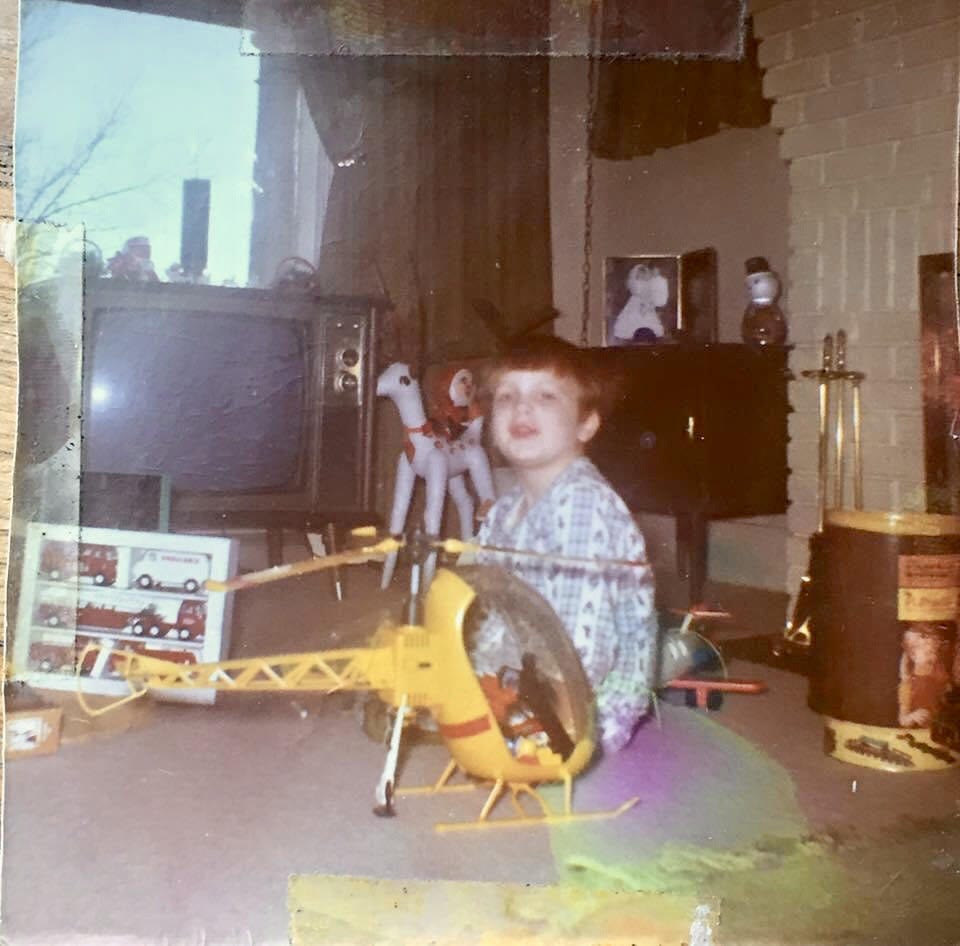
Last month, I saw a story that February 1 was G.I. Joe Day. A flood of memories came rushing into my mind—memories that brought the warm, euphoric feeling caused by nostalgia. These nostalgic memories of childhood, playing with my G.I. Joe figures and G.I. Joe helicopter, also include Christmas, my grandparents visiting, playing with friends, Friday night pizza and so many other memories that are all connected to toys. Toys have such an important role in our lives—from the enjoyment they bring us as children to the ways they aid our development as we grow and finally to those nostalgic memories of childhood we take pleasure in as adults. Jen and I were in Vermont at Quechee Gorge State Park on one of our summer road trips. When we were done hiking, we found the Vermont Toy and Train Museum. It was full of visitors walking around, pointing at exhibits with enthusiastic joy, recalling memories of childhood. Naturally, some of the exhibits garnered more attention than others, which got me thinking about what are the best toys of all time. Since one of the things I like are lists, I decided to make a list of the 10 greatest toys of all time.
It wasn’t an easy list to assemble. In fact, it was harder than I imagined, and I suppose it's still a work in progress. There are, after all, many great toys. I certainly started with more than 10 but realized I needed to keep the list manageable in size. I also had to decide if I would include only toys that I had played with or make all toys eligible. I chose to go with all toys, so even though it made the task more difficult, hopefully there is some nostalgia for everyone reading this list to enjoy. I did limit the list to items strictly created and marketed as toys. Thus, I did not include items developed by our creativity as children, although they are arguably some of the best ones—makeshift toys like the household blanket used to make a fort and the Leggs panty hose container that was everything from a secret hiding place for other items to a hand grenade. I also excluded home computers, like the Commodore 64; though worthy of consideration, it's not simply a toy.
I did need some basic criteria for my selections, so my first consideration was overall popularity. Toys that were the “must have” for kids were important, but I needed more than that. After all, in 1975, one million Pet Rocks were sold as “must have” toys. It was a genius marketing strategy, but how much fun could one have with a rock? I can hear my dad instructing me to go outside and find a rock rather than buy one, which makes much more sense retrospectively. My second criteria became fun and enjoyment. Other considerations were longevity and educational value. Fads that were immediately popular but faded, like Tickle Me Elmo toys, faced a battle to make the top ten. So without any further ado, here is my list—and the toys are not in any particular order.
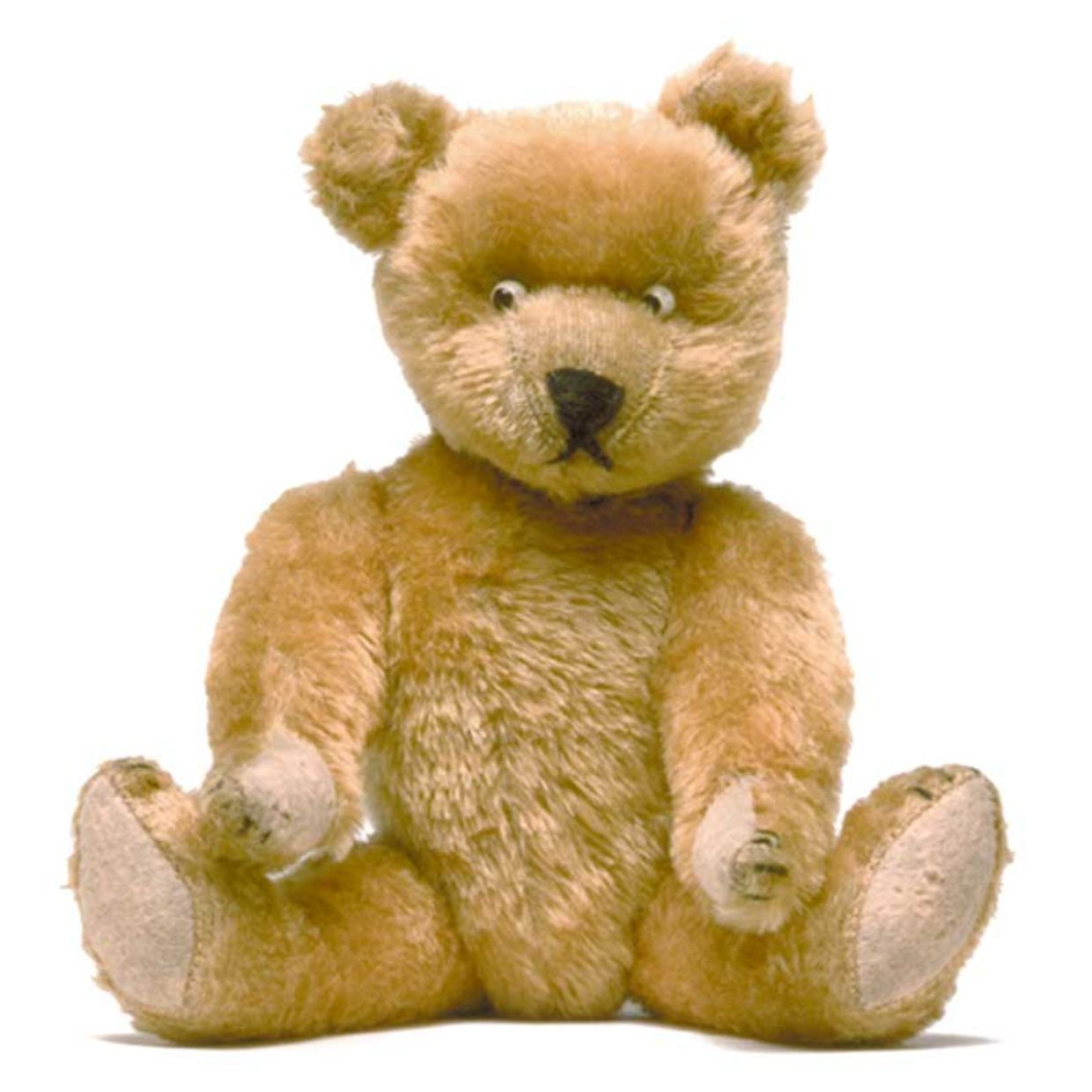
Teddy Bear – It's no surprise my first choice would have a connection to American history. Stuffed animals are the first toy many children can recall having, and nothing is more iconic than the Teddy Bear. My dad brought one to the hospital when I was born.The story of the Teddy Bear is a favorite of mine.
Teddy Roosevelt, an avid hunter and outdoorsman, was visiting Mississippi. His Mississippi hosts were excited to take him bear hunting, but after a few days, the President had not had any success while the other hunters did. Not wanting the President to leave with a bad memory of this trip, an assistant captured a small black bear and tied it to a tree so that the President could have a successful hunt. As Roosevelt crested a hill and spotted the bear, he raised his rifle and took aim only to realize the bear was tied to a tree. He refused to shoot. Roosevelt angrily denounced the lack of sportsmanship in doing so.
A political cartoonist, Clifford Berryman, sketched an image of Roosevelt refusing to shoot the bear. After seeing the cartoon in The Washington Post, Morris Michtom, a shop owner in Brooklyn, placed a small stuffed bear in his store window labeled “Teddy’s Bear.” It was an immediate success. Michtom went on to found the Ideal Novelty and Toy Company, whose lengthy list of toys includes the Magic Eight Ball, Rubik’s Cube and Howdy Doody doll. Stuffed bears had been introduced in Germany, but it wasn’t until the connection to the President that sales exploded. By 1907, Teddy Bear sales passed one million, and it remains a popular toy today with sales topping 200,000 yearly in the United States.
Stuffed toys are much older than the Teddy Bear, but it's the Teddy Bear that reigns supreme. Beanie Babies made an attempt to dethrone the Teddy Bear but faded in popularity by the companies own artificially created scarcity driving up prices for the collectible market. Other toys have even capitalized on the popularity of the Teddy Bear, including the 1980s talking Teddy Ruxpin. Psychologists even note the value of a Teddy Bear—that it has shown to provide comfort, reduce anxiety and assuage fear. Maybe that's why so many adults still have them.
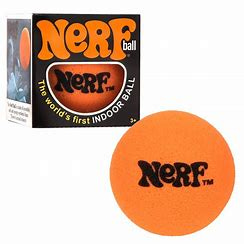
Nerf Ball – The Flintstones were a very popular cartoon making its debut in the 1960s, and it was the first animated show with a primetime slot. Toy companies often capitalize on popular TV shows and movies, so it's no surprise that a game based on the Flintstones was in the works. One idea was a game that involved throwing rocks, and I think we all can agree that rock throwing isn't the best idea for a game—although, this is the era that witnessed Lawn Darts, so who knows? Maybe it was the weight, and not the danger, that caused the designers to ultimately make the rocks out of polyurethane.
The game was not approved for the Flintstones franchise, but the creator, Reyn Guyer, converted the rocks to a ball, and Parker Brothers began to market them. The first name was Falsie ball, adapted from padded bras, but good sense prevailed, and the name was changed to Nerf—from the padded tubing used for off-road racing. The Nerf Ball hit the market in 1970 as the first indoor ball with advertising announcing, “Throw it indoors; you can't damage lamps or break windows. You can't hurt babies or old people."
I'm not completely sure all parents rejoiced at the thought of a ball being thrown around inside the house, but it was better than the alternative. I still recall my parents telling me, “Take that outside!” As kids, we loved the Nerf Football since you could throw it much farther than a regular football. It was always good for a game of “Fumble Rumble” or “Smear the Queer.” It seemed like everyone had a Nerf Ball. My favorite was the Nerf Baseball that was grooved, allowing anyone to throw a wicked curveball. The bat was Nerf foam, but it had a solid molded core, so it wasn't the best for inside use. Please don't ask how I know that.
Nerf grew even more popular with the introduction of their Blaster Nerf Dart guns in 1992. Today Nerf products have an annual revenue of $400 million and make this list for their innovation and longevity.
G. I. Joe – You may have guessed that since I mentioned G. I. Joe in my introduction, it would appear on this list. The G.I. Joe was the first action figure, and in reality, the first doll for boys. The poseable arms and legs were based on models used in art schools to create human figures. He was moveable and could sit behind the wheel of a Jeep, throw a grenade or fire his rifle with his 21 moving parts. More importantly, it opened up an entire world of creativity for boys playing. That's not to imply there weren't creative toys for boys before this—I think chemistry sets and Erector Sets might top that list—but the variety of products that accompanied G. I. Joe and allowed imaginative boys to create countless scenarios was a first.
The first G. I. Joe—the name is derived from the generic term for American soldiers in WW2—was the Action Soldier in 1964. It was soon followed by the other branches of the military. G. I. Joe was also soon given the ability to talk by pulling a string that activated prerecorded commands. Diving on the ground or living room floor to “Enemy planes, hit the Dirt” raised the adrenaline of every G. I. Joe enthusiast. A series of different accessories and uniforms were available in dozens of varieties, and they all could be stored in your G. I. Joe Foot Locker. Vehicles appeared, too, including a Jeep, a frogman’s sled, a space capsule, adventure team vehicle and my favorite: the helicopter. As the years went by, the action figures changed in size, and the vehicles and accessories were modernized and then even made futuristic to meet the demands of the kids who played with them. Comic books, TV shows and movies added to the variety of toys available as well as increasing their popularity.
Personally, I like the original 1960s and ‘70s versions, but G.I. Joe has certainly earned his stripes for longevity, multitude of accessories, creativity and adapting to change.
Barbie – Playing with dolls seems to be a rite of passage for girls, but picking one for the list was a challenge. Just by sheer popularity, the term “doll" could be on the list, but I wanted to be specific in my choices. My wife loved her Raggedy Ann doll and carried it everywhere when she was a toddler. My mom cherished her Ginny Doll and her Brownie Scout Doll—so much so that I think she still has versions of both dolls as collectibles today for that nostalgia. My sister wanted a Cabbage Patch Doll and eventually got one—although first she had to settle for a knockoff version because they were so hard to acquire—and she still remembers her name: Molly. But it's Barbie that reigns king, or I suppose I should say queen.
Barbie originated in 1959 and was the creation of Ruth Handler. The idea came from a German doll that had adult features and the fact Handler’s daughter, Barbara, enjoyed dressing paper dolls. Prior to this, dolls were primarily babies or small children rather than adult figures. With the expansion of the product line to a Ken doll in 1961 and then Barbie’s sister, Skipper, in 1964, the opportunities for creative play continued to increase. Add to that the clothing accessories and items like Barbie’s Camper, Dream House and Corvette, and a child could have an entire Barbie world, learning that life in plastic is indeed fantastic.
More than one billion Barbie dolls have been sold since 1959, making it the most popular toy of all time. Today, there are 176 doll varieties with nine different body types, 35 different skin tones and 94 different hairstyles. There have also been thousands of special dolls, including career dolls for occupations like lawyer, astronaut and doctor as well as special editions featuring Disney and other well-known characters. Barbie’s longevity, immense popularity and impact on girls earns her this spot.
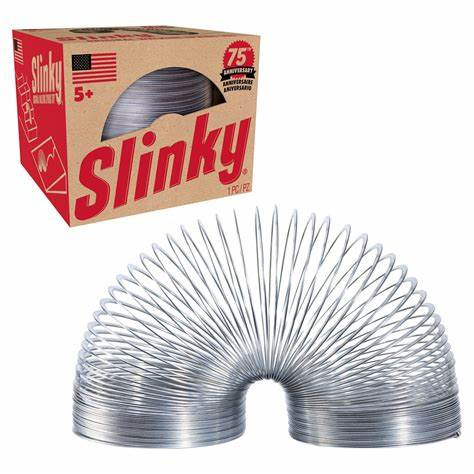
Slinky – Full disclosure, this choice may be influenced by the fact these have been made for many years just 7 miles from my house, and they have their origin in WW2. Its selection for the list is also possibly influenced by one of the catchiest commercial jingles of all time: “What walks down stairs alone or in pairs? It’s Slinky! It’s Slinky!”
In 1943, during World War II, engineer Richard James was designing a spring to protect electronic equipment from being damaged on navy ships. One of the springs fell from James’ desk, and when it landed, it danced around as if it came to life. He decided to take it home and gave it to his son to play with, and soon neighborhood children were all amazed with it. James conducted a series of tests to see how much wire and what length would work best for a toy, concluding 80 feet of steel wire compacted to 2 inches gave the best results.
In 1945, Richard James and his wife Betty secured a $500 loan to start James Industries. At this point, they didn’t have a name for the spring, so Betty James searched the dictionary until she came across the word “slinky”— defined as curvy and graceful—thus the Slinky was officially born. Richard James later joined a cult and moved to Bolivia, leaving his wife Betty in charge of Slinky. She moved the factory from Philadelphia to Hollidaysburg, Pennsylvania. By the time she died in 2008, they had produced enough Slinky toys to wrap around the Earth 150 times if uncoiled.
“It’s slinky, it’s slinky, for fun it’s a wonderful toy. It's Slinky! It’s fun for a girl or a boy.” The jingle sums up my selection: It's fun, it's for girls and boys, and it's still here 80 years later. The matter of its affordability and the fact it was a walking science experiment also helps.
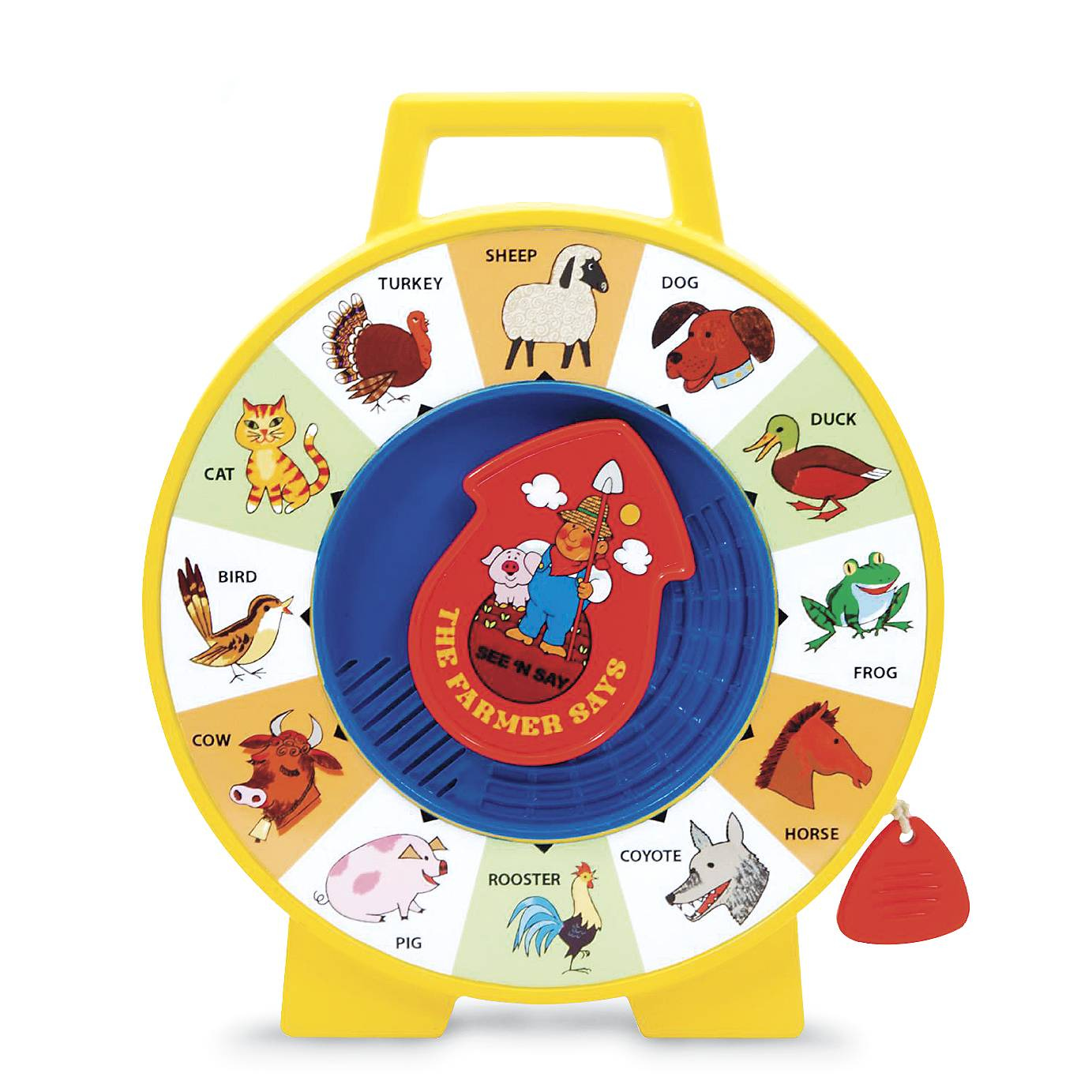
See n’ Say – This could possibly be the first item on the list that some younger reader may look at and think, ”What is that?” If you are my generation, I bet you will recognize it. Its origins are in products like Mattel’s Chatty Cathy Doll that was introduced in 1959. Also a Ruth Handler creation, it had a string-pulled mini record player in her tummy, and when the string was pulled, she said things like “Let’s play school” and “I love you.” The popularity of a toy that talked led to the creation of See n’ Say.
It was the first talking toy allowing children to choose the exact phrase to be heard by adjusting a pointer on the toy's face to a particular item and pulling the string. Although the first release focused on farm animal sounds, many other themes were created, including the alphabet, numbers, nursery rhymes, and even a number of licensed products like Snoopy and Disney characters were eventually featured.
I can’t imagine how many American children learned or reinforced their learning of letters, numbers, sounds and time with their See n’ Say—and in a fun way with the spinning dial reminiscent of a game show. Many talking educational toys would follow, but the See n’ Say takes the prize. And it is still made today. “The GOAT,” says See n’ Say.
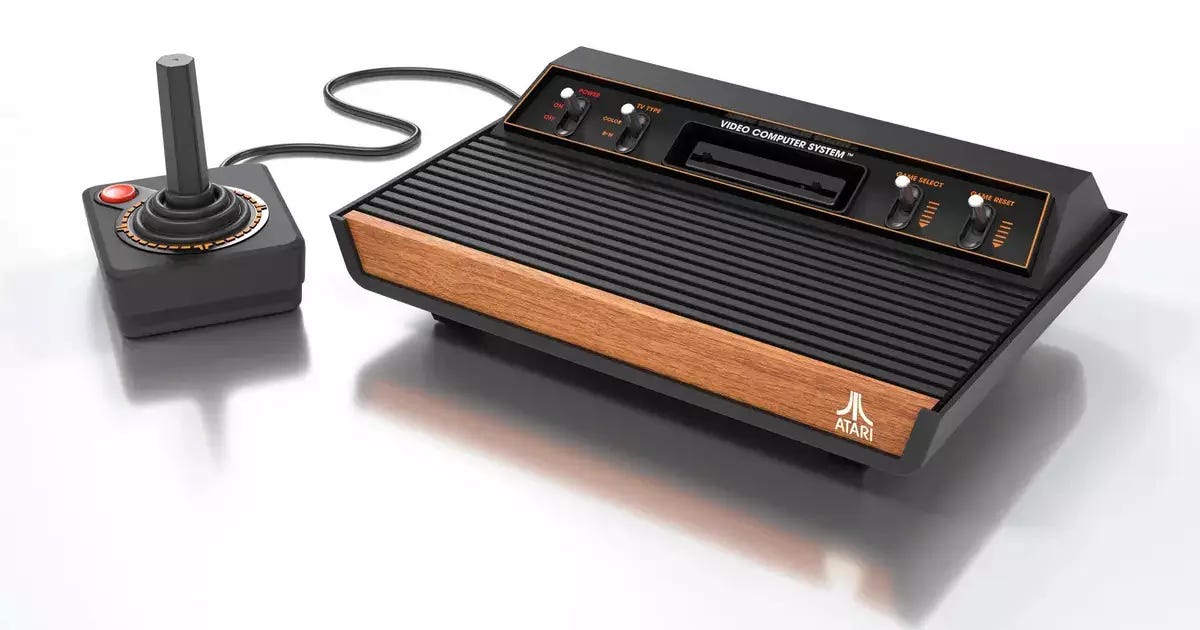
Atari 2600 – The Atari 2600 wasn’t the first video game system, and it wasn’t the best, but it was revolutionary. Pong first appeared in the 1970s, and while playing a game on a TV screen was exciting and new, it was the Atari 2600 that gave us a home video arcade with a variety of games released on cartridges. It ended the parental clamoring of “go outside and play!” Well, it didn't really end it, but it provided a logical reason for playing inside.
The Atari Video Computer System first appeared on the market in 1977. The game system came with one cartridge, Combat, which nearly everyone played—despite being little more than a slightly advanced version of Pong. There were eight other games available in 1977, and soon more recognizable games were released, including Pacman, Space Invaders, Defender and Donkey Kong—the four I purchased using a significant portion of my bonus money earned at Christmas as a newspaper boy, much to the chagrin of my parents in 1982. Third party companies made even more games, such as Activision who famously released Kaboom! and Pitfall!
The saying “All good things come to an end” applies to the 2600. Poorly designed games began flooding the market in the 1980s with the death knell being the game E.T. The Extra Terrestrial, which was rushed to market in 1983 after the popularity of the movie. The rise and affordability of home computer systems and the introduction of Nintendo in 1985 helped with its demise. Production ended in 1992.
The Atari brand has started to produce 2600 systems again, but there are plenty of the thirty million originally made still available as antiques now. Though it was dominant for fewer years than every other toy on this list, the Atari earned its spot for revolutionary impact and total dominance in the late ‘70s and early ‘80s.
Frisbee – There are many toys that require physical activity to use, unlike many of the other choices on my list. As an adolescent, my friends and I always got together for baseball, basketball or football, depending on the season and the availability of playing space. I was also fortunate that a clay tennis court was located behind my house growing up. I don’t want to give the reader the impression that I was a great athlete, it was more about the fun for all of us. That being said, these sports all required a basic skill set and an understanding of the rules. One outdoor toy that didn’t require that was the Frisbee. It could be played just about anywhere outside and by anyone with a simple flick of the wrist. It was easy to carry and easy to store, and most of all, it was easy to use.
The creation of the Frisbee is one of those great chance events. Walter Morrison was on the beach with his wife Lucille throwing around an empty cake pan when someone else thought it looked like fun and offered him 25¢for the pan. He realized he could make money selling them. A plastic version was marketed as a Flyin Saucer and a Pluto Platter in the ‘50s, names that capitalized on the space craze of the time, until the idea was purchased by Wham-O and renamed the Frisbee.
The Frisbee remains popular today for those looking to have some fun in the backyard or maybe on a picnic as well as those who participate in disc golf and other sports that rely upon the Frisbee. I wonder if I can still catch one behind my back? At my age, I better stretch before I think about trying it.
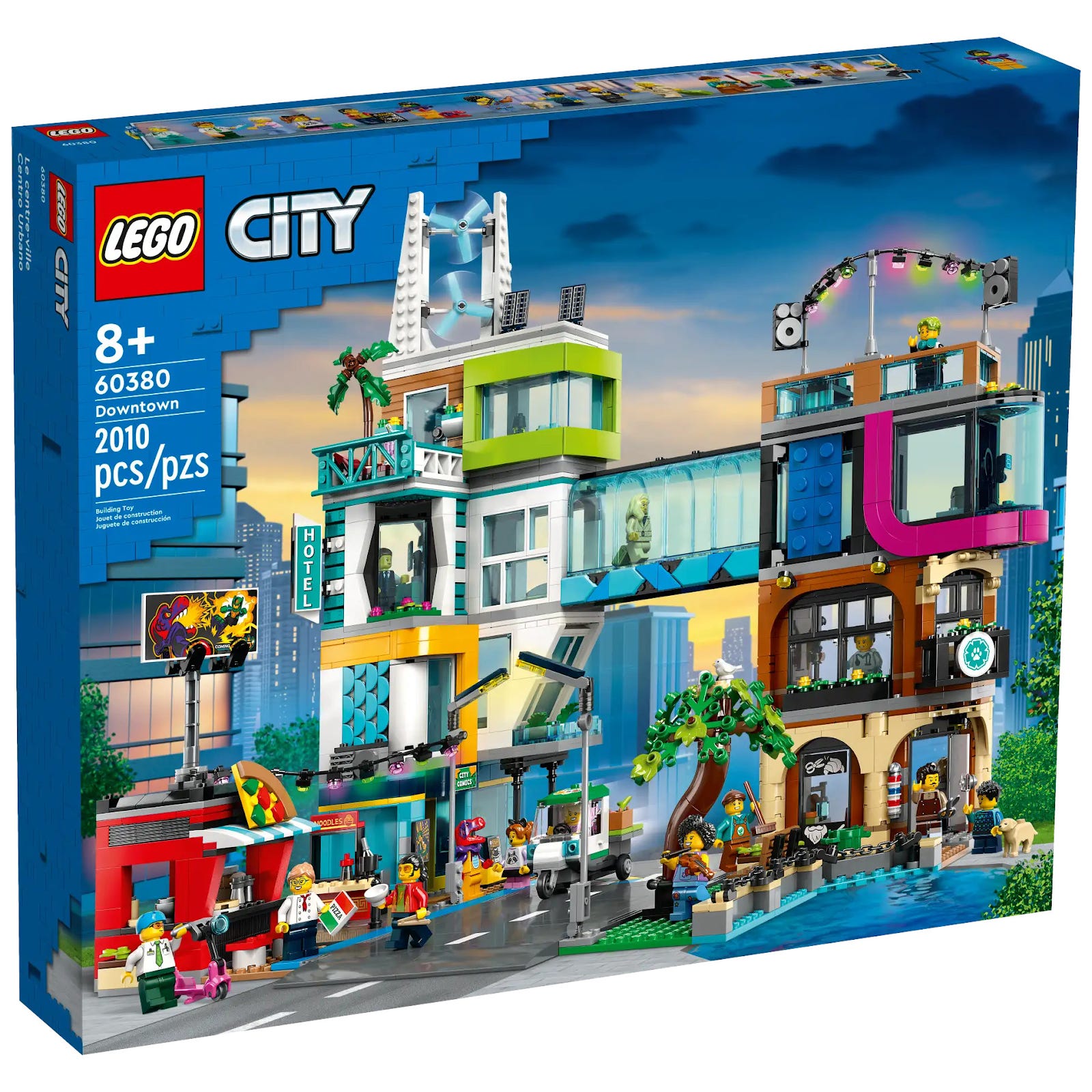
LEGO – Did you know LEGO comes from the Danish phrase “Leg Godt,” which translates to “play well?” Me neither; I had to look that up. The company first originated in the 1930s making wooden toys, but their iconic plastic interlocking block wasn’t created until 1958. I didn’t have any LEGO blocks as a child, so their appearance on this list does not come from personal experience playing with them but, rather, from another story. As for me, I was a Lincoln Log guy, but as cool as I thought they were, they couldn’t crack the top 10 list here.
The popularity of LEGO is undeniable. They not only have their own stores, there are ten LEGOLAND amusement parks around the world. Over 20,000 different kits have been released. One LEGO expert estimated there are enough blocks in existence for every person on the Earth to have 80. Their popularity doesn’t end with kids either. Adults enjoy the sets as well. One of my colleagues I taught with had a LEGO model of the Titanic in his classroom. I swear it was as big as a person, and he said it had nearly 10,000 blocks.
Beyond the obvious popularity, longevity and creativity, the determining factor for me was this story. A fellow historical collector who is a friend of mine posted on his Facebook page that a school for autistic children had flooded. They used LEGO blocks for therapy, and the blocks all washed away in the flood. They were looking for donations of sets to replace what they lost. I always tried to do community service projects with my classes, so I shared the story with them and they decided to pitch in. We started collecting money in class. It was all anonymous, just drop what you can in a jar. They raised enough money to purchase 12 large sets at over $1,000. One student even contributed $100. To this day I still don’t know who it was. What I do know is they loved LEGOs and cared enough to make sure others could have that same enjoyment, especially if it was educationally therapeutic. That’s top ten worthy.
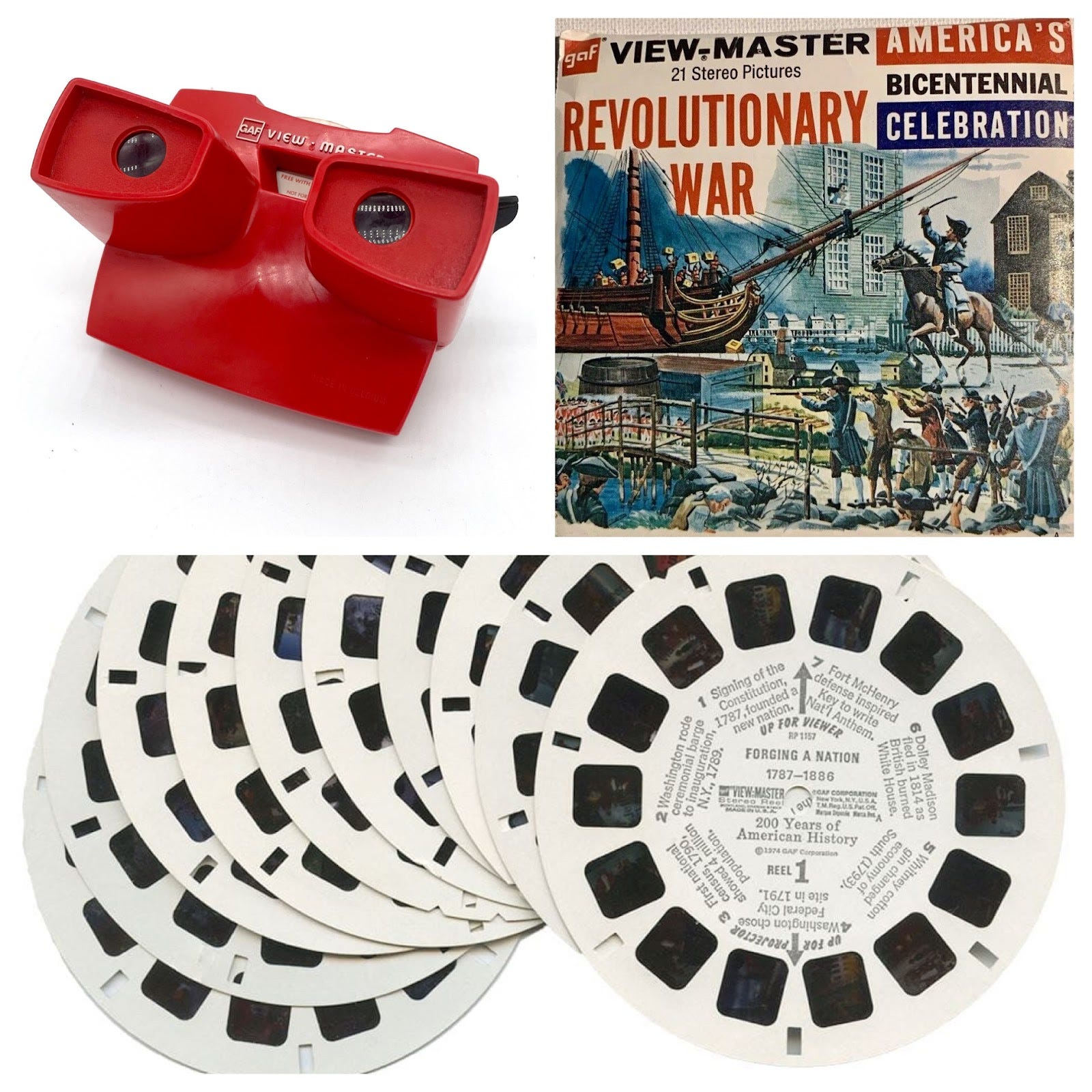
View Master – Visit America’s National Parks, Travel the World, Experience Historic Events, Visualize Classic Stories, Meet Famous People, Study Anatomy and Conduct Science Experiments. To do even some of each one of these, it would take great resources, including time, money or both. And that’s for adults. For children, many of these are not possible, especially in the era prior to the Internet. An affordable remedy was the View Master. One could grab their View Master, insert a reel and they were off to a faraway place, laboratory, museum or time. The only limit was which of the thousands of reels available did they own.
The View Master was created in 1939 and was used as a training device for the military in World War II. The personal version appeared in the 1950s, and its popularity as a toy soared after that, especially with its 3-D stereoscopic view. In addition to the educational reels I mentioned above, there were also many reels that were based upon cartoon characters, Disney characters, TV shows and movies. In 1970, a talking version was introduced. Thousands of different reels have been produced over the years.
It’s no surprise my favorite reels were history related. I can still visualize the stereoscopic views of Revolutionary War scenes. Between the fun and the nearly unlimited variety of experiences, the View Master has earned its spot.
That’s my best of the best list for toys. I wish I would’ve had room for toy trains. What other toys do you think should have made the list?
As always, thanks for reading the History Lowdown.
Great nostalgic look at America’s “Toy Story”…I always loved BAS-KET by Cadaco & the classic handheld Mattel Electronics football game!
Great one Jim..always love a top list of any kind. But toys is perfect.