What's on your tree?

The typical question folks ask about Christmas trees is do you have a real or an artificial tree? I am not even broaching that subject. That can be as dangerous as bringing up politics or religion with some defending their choice of real or artificial tree as vigorously as their choice for President. In a nationwide Qualtrics survey in 2019, 46% of Americans admitted they argued about their Christmas tree, which is sad considering the joy the holiday season is supposed to bring. According to the same survey, 63% of Americans have an artificial tree, 24% have a real tree and 10% have both. Artificial trees were not popular until World War II because of the manpower shortages caused by the war. For fans of real Christmas trees, you might appreciate the fact the first company to make an artificial tree was a company that made toilet brushes. Anyway, a more fascinating question, and devoid of an argument, I hope, is this: What is on your tree?
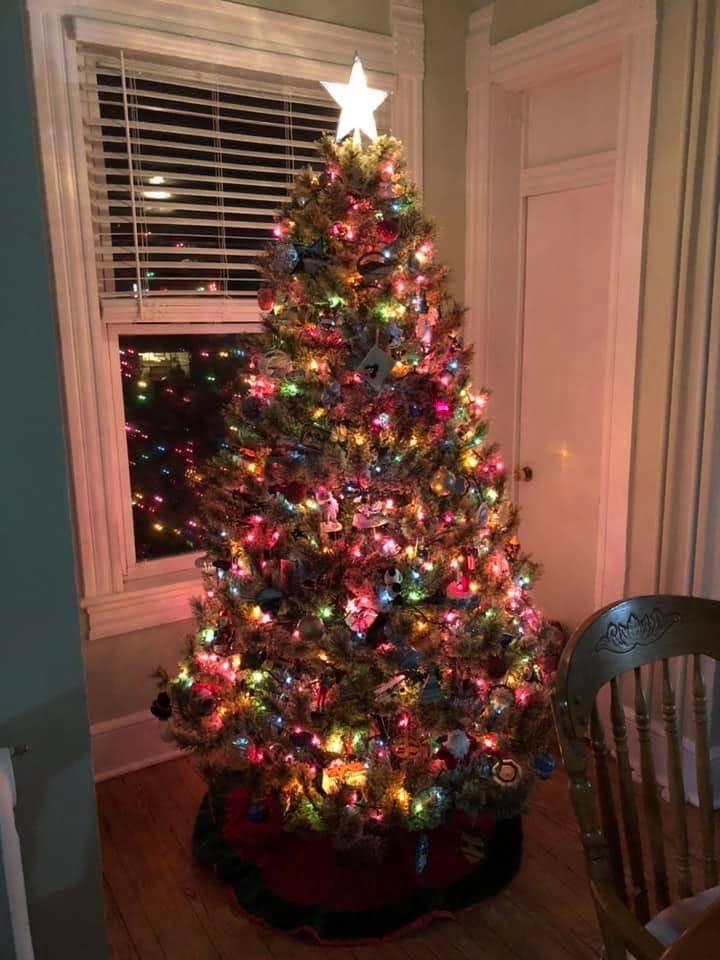
Decorating the tree was always a family event when I was growing up. As a child, I would eagerly wait as Dad would bring boxes of ornaments and decorations down from the attic, and the tree would undergo that magic transformation. As an adult, Jen and I enjoy some Christmas music and I have a glass of eggnog while we decorate our tree. We actually have two trees now since we have a large assortment of decorations. It's a combination of different types of decorations gathered over many years. Let’s examine some popular types of decorations. How many do you have on your tree?
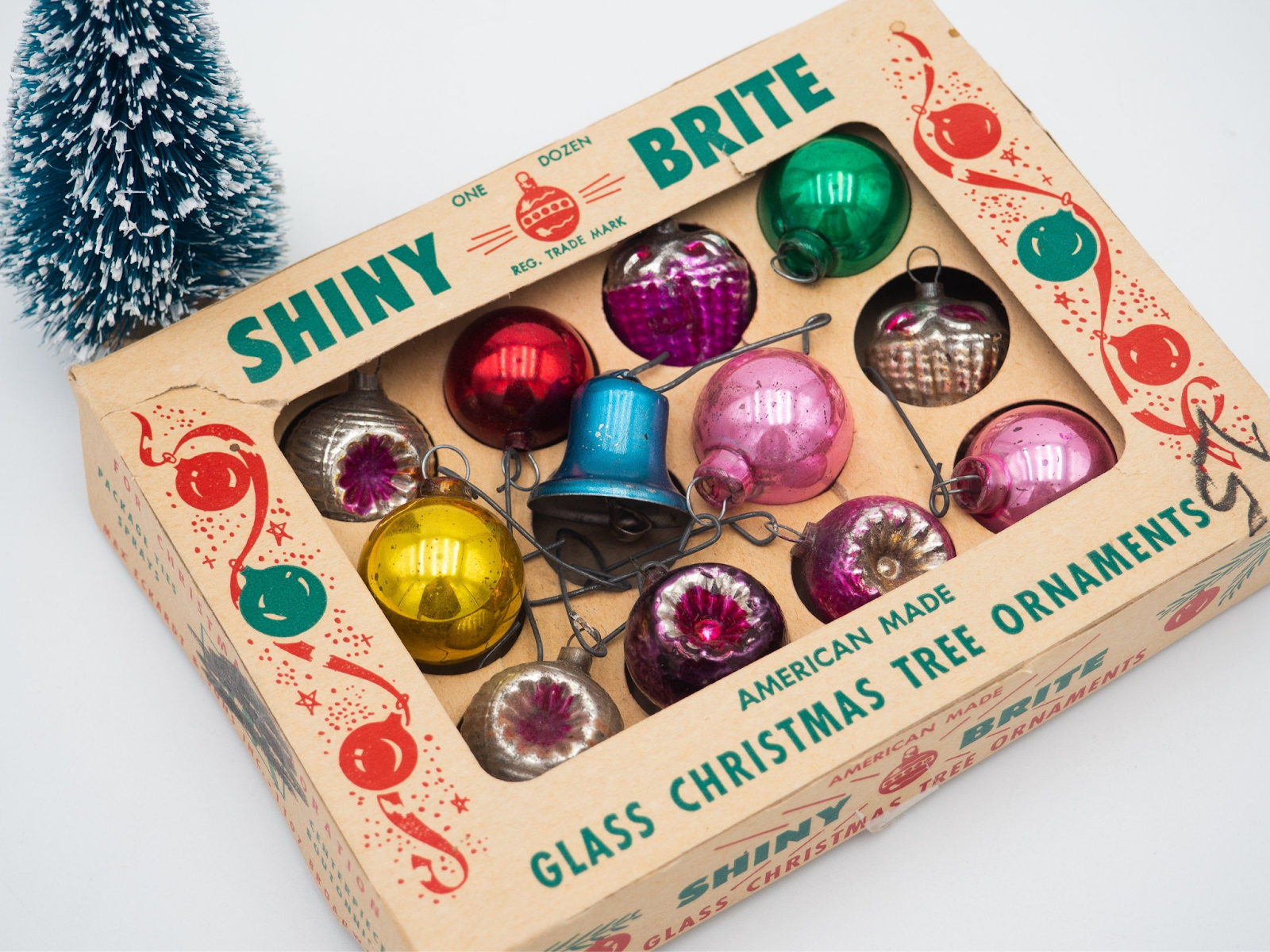
Balls - The first decorations used on Christmas trees were red apples. That was the 16th century. The apples represented the original sin of Adam and Eve and were paired with candles that represented God’s light. Unfortunately, the apples eventually rotted, so an alternative was needed. It wasn't until the 19th century in Europe that a drought led glassblowers to create red spheres to replace the apples. The fact the glass spheres were reusable led to a new trend, replacing the fruit. Soon glassblowers were producing a variety of colors for the balls, and the variety wasn’t just for decorative purposes; the colors were symbolic too. Red symbolizes love and charity while white represents purity, faith and joy. Gold balls symbolize prosperity and success, and silver emphasizes thankfulness and humility. Finally, green denotes hope, and blue suggests reconciliation and atonement for wrongdoing. Today, balls are available in a variety of materials in addition to glass. I fondly remember the oldest ornament on my parents’ Christmas tree was a red glass “Silent Night” Christmas ball.
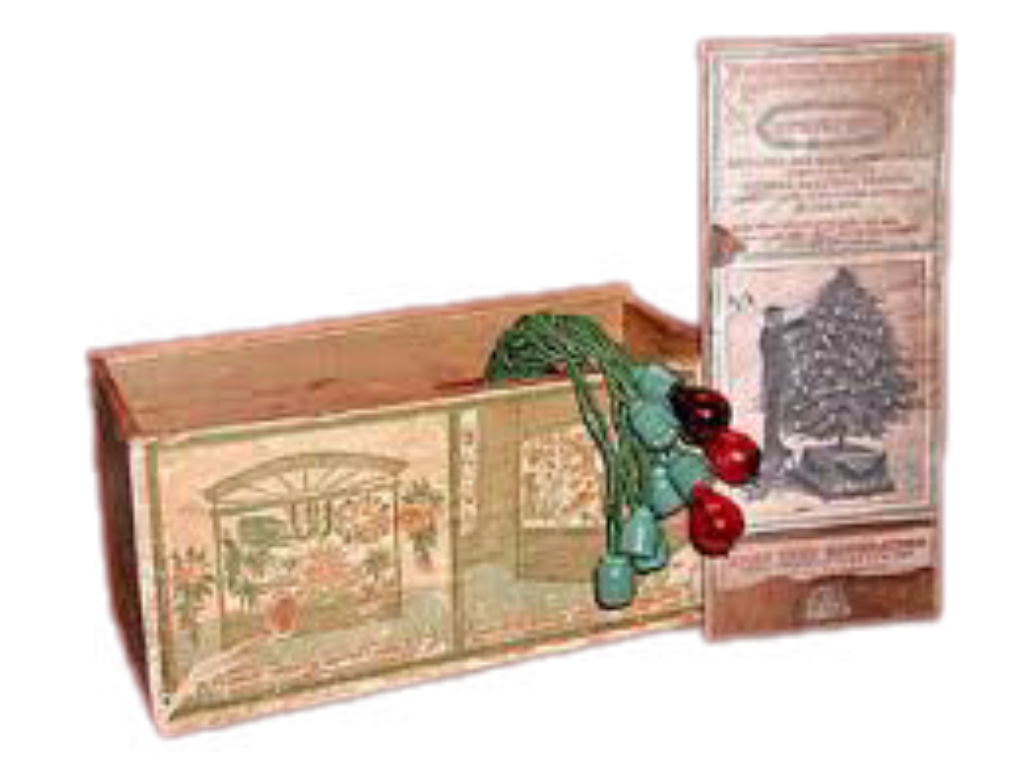
Lights - The origin of the Christmas tree is often traced to the Protestant Reformation, and Martin Luther is credited as the first person to decorate a tree with candles. He told his six children the candles represented the star that helped guide the Wise Men. Candles, of course, did cause many fires, and families often assigned the youngest child or a servant to sit by the tree with a bucket of water. Candles were used in the United States until 1882 when Thomas Edison’s partner, Edward Johnson, created the first string of Christmas lights. He strung together 80 light bulbs that were red, white and blue on a tree in the window. Residents of his community gathered outside the window to gaze in amazement. There were just two problems, electricity wasn't readily available, and the cost of a string of 12 lights was $12—which, adjusted for inflation, is $375 today. During the 20th century, the price of lights declined, and by the 1950s they were commonplace in homes. Oddly, President Richard Nixon asked Americans to not use Christmas lights in 1973 due to the ongoing fuel crisis; some Americans complied. Today, 150 million light sets are sold annually in the United States.
Candy Canes - In the 16th century, Christmas trees were often decorated with cookies, nuts and candy in addition to the fruit. The first candy placed on Christmas trees was a simple sugar stick candy, all white. In Cologne, Germany in 1670, the white sugar sticks were bent on the end to resemble the staff of a shepherd. A new tradition was born, though they were still all white. It wasn't until the 20th century that the now iconic red stripes were added when the McCormick Candy Company decided to make its canes stand out. Peppermint and wintergreen became the common flavors. Some still decorate with candy canes because of the tradition.
Tinsel - Tinsel was invented in Nuremberg, Germany in 1610 as a way to reflect the light of the candles on the tree. The original tinsel was made from real silver, so only the wealthy could afford to decorate their trees with it. Silver, as you may know, tarnishes easily, so silver tinsel was soon replaced by tin and copper tinsel. Copper was then needed for WWI, so other metals were sought as a replacement. Even lead was given a chance but phased out when studies showed it was poisoning children. Manufacturers settled on aluminum, but it was often made from aluminized paper, which is flammable. Despite these dangers, in the early 20th century, tinsel was often more popular than lights. Today, tinsel is made from polyvinyl chloride, which is better known as PVC. A coating is applied to make it shiny. Tiny strands of tinsel hung from branches to resemble icicles is called Lametta, which is German for tinsel.
Some folks may recall the legend of the Christmas spider that originated in Eastern Europe. The story is of a poor widow and her children who notice the seeds of a fallen pinecone start to take root on their dirt floor. They watch it grow in hopes of having a Christmas tree. On Christmas Eve, the tree is a nice size but is not decorated because they can’t afford to do so. When they awake, the tree is covered in cobwebs from a spider that has taken up residence in the tree. When the sunlight hits the cobwebs, it makes them sparkle with gold and silver tones, thus creating the idea for tinsel. This legend has a more modern version that credits Santa with converting the cobwebs into tinsel before Christmas morning—for those who don’t want to imagine a cobweb-covered tree on Christmas day.
Garland - The use of garland actually predates the Christmas tree and originated to celebrate the winter solstice with braided flowers, leaves or branches. The idea of decorating with garland was brought to the colonies by early settlers. In the 19th century, when the popularity of Christmas trees skyrocketed, the first garland for trees was made from dried fruit and popcorn. Popcorn was popular because it was inexpensive and readily available. Eventually, garlands of spruce, pine and other evergreens became a popular decoration to complement the Christmas tree in what some may call the “hanging of the greens.” Cranberries also became a popular item to use for tree garland, adding some color to the tree. Like most other decorations, artificial garland has replaced natural garland.
Ornaments - My personal favorite when it comes to tree decorations are the ornaments. Ornaments are made of a variety of materials and can be just about anything someone wants to use to decorate their Christmas tree. Many ornaments are manufactured, but often the most treasured ornaments are the homemade ones, especially those made by children. Actor and writer Tom Baker said, “Some Christmas tree ornaments do more than glitter and glow; they represent a gift of love given long ago.”
The first American-made ornaments were made of glass in 1870 by William DeMuth. Soon, Woolworth was selling ornaments in their 1,000 stores, and the popularity of ornaments spread. By the early 20th century, fiberboard ornaments appeared in a variety of shapes and were popular with families with small children and pets who wanted to avoid broken glass ornaments.
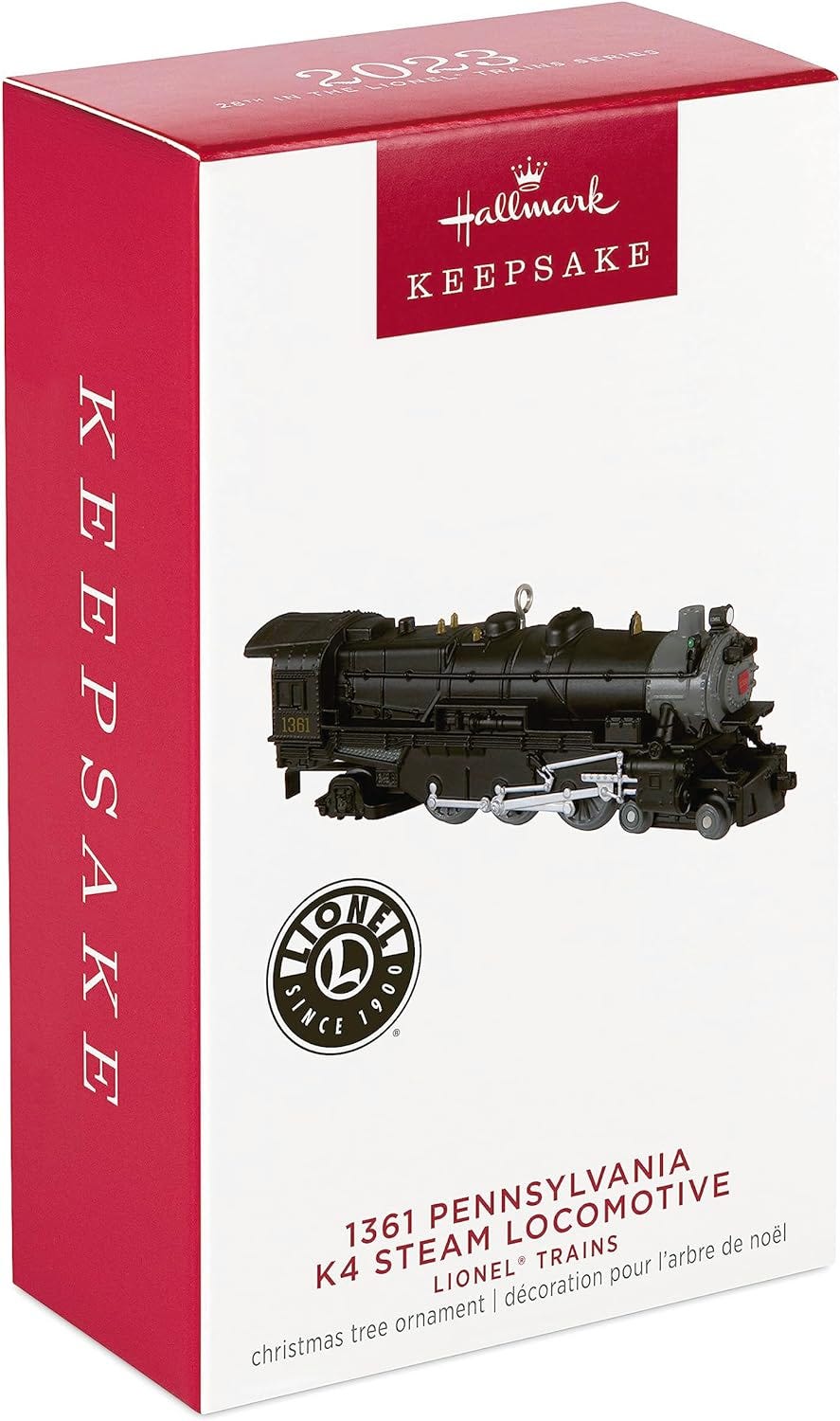
In 1973, the Hallmark Company produced their first series of eighteen ornaments. The number increased every year, and it wasn't long before the Hallmark Ornament Collectors Club appeared, offering special limited edition ornaments to members. Since 1973, Hallmark has created more than 10,000 ornaments. It’s hard to imagine something that is popular that they have not turned into an ornament. In their 50 years, they have added ornaments with sound and moving parts. One only needs to enter a Hallmark store at this time of year to observe their popularity.
One category of ornaments that is a favorite for me and Jen are our travel ornaments. We buy an ornament from every place we visit. It's a great way to reminisce about our travels. It's the reason we needed to add a second tree—room to hang all those ornaments.
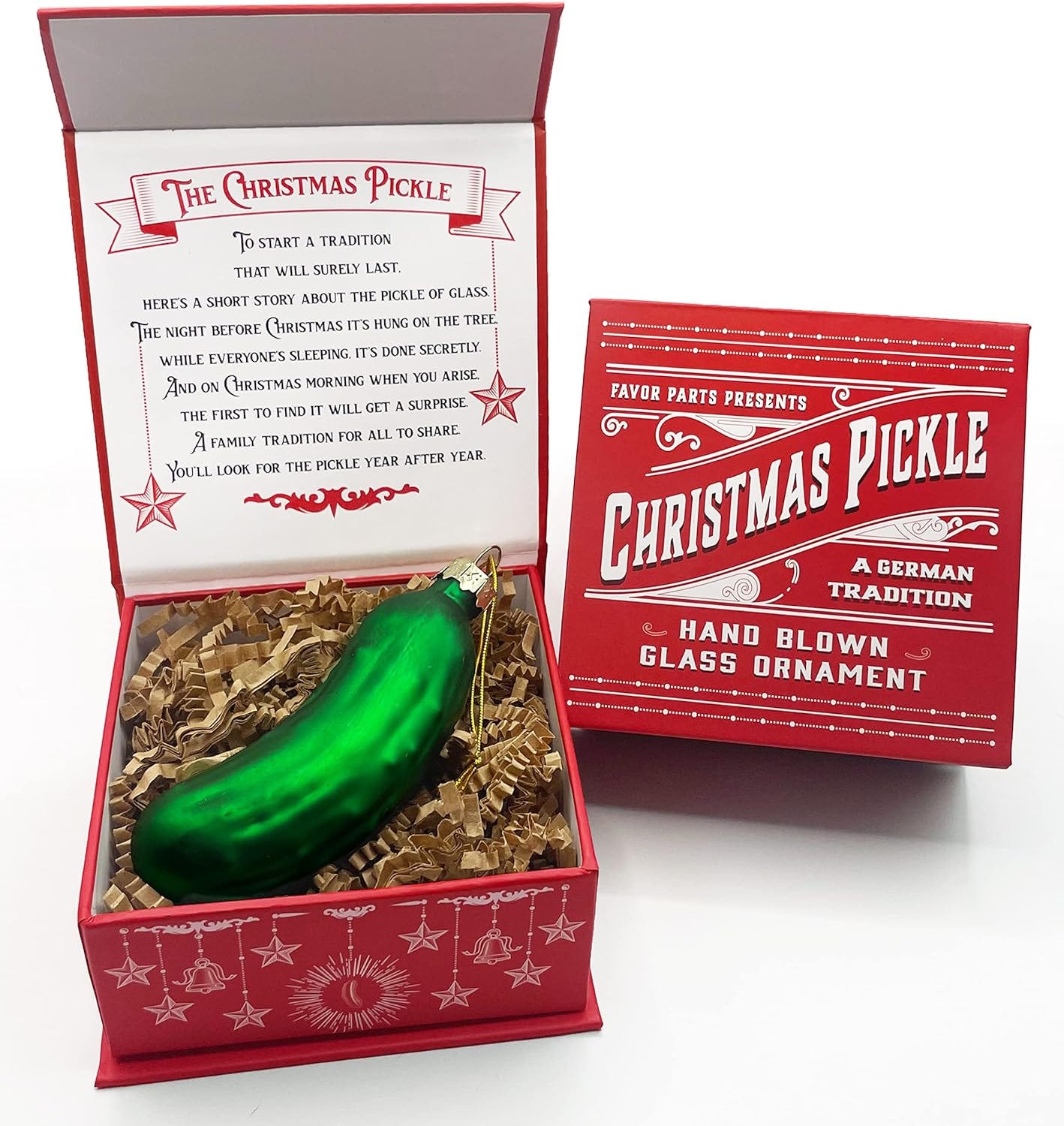
Pickle - Some time ago, my mom gifted me a pickle. Not one you would eat, but a plastic one you place on your Christmas tree. To be honest, I was confused, but my mom quickly provided a lesson so that my I didn’t assume this was the modern version of coal. According to the legend, the pickle ornament is hidden in the tree, and whoever finds it on Christmas day is either rewarded with a year of good fortune or an extra gift from Santa. It seems this bit of folklore is an American tale based on a survey that found more than 90% of Germans had never heard of the Weihnachtsgurke. I asked my German friend Harald, and he had never heard of it in Germany, just when he came to the United States. Nonetheless, it is still marketed as a German tradition as my Mom had shared.
My history enthusiast-driven curiosity did some additional research, and apparently the real origin comes from the American Civil War. Union Private John Lower was captured and held in a Confederate prison camp. On Christmas Eve, he was starving and begged a guard for food. The guard gave him a pickle, which he credited with saving his life. Upon returning home, he started the tradition. That’s a cool story, and my mom’s gift remains on our tree each year. She has always had a knack for cool gifts.
Star or Angel? - I don't think this will cause the same debate that artificial versus real trees causes. I recall as a child, the final celebratory step of tree decorating was placing the final decoration atop the tree. It was the real-life excitement that paralleled the end of the cartoon Rudolph the Red-Nosed Reindeer when the newly tamed abominable snow monster places the star atop the tree and a chorus of “ohs” and “ahs” rings out. A star symbolizes the Star of Bethlehem, which is referenced in the Gospel of Matthew’s Nativity story. The angel represents the angel Gabriel who informed Mary that she would give birth to the son of God. The first decoration used on the tops of Christmas trees was baby Jesus, but since the star and angel appeared in the sky, it became more popular to use those.
As you settle in to enjoy the 2023 Christmas holiday (if you are one of the 98% of Americans that celebrate the holiday in some way), I hope you have a joyful holiday and a happy New Year. If you have a tree, may it bring you happiness however you choose to decorate it. My next History Lowdown will come out in 2024. See you then and, as always, thanks for reading.
Hey! This was really excellent! I started out just intending to skim this one as I did some schoolwork over the Christmas holiday, but each was so informative and engaging that I read the whole thing. Well done!
Merry Christmas, I really enjoyed learning of the history of the Christmas tree. I have the "bright and shiny" Christmas balls, still have the original box they came in. They are my favorite ornaments next to the ones my kids made. Hope you have a wonderful Christmas and New Year!